Buy businessdata.eu ?
We are moving the project
businessdata.eu .
Are you interested in purchasing the domain
businessdata.eu ?
domain@kv-gmbh.de · 0541-91531010
Buy businessdata.eu ?
What is the hedonistic calculus?
The hedonistic calculus is a method used in utilitarianism to determine the most ethical course of action by calculating the amount of pleasure and pain that will result from a particular decision. It involves weighing the intensity, duration, certainty, propinquity, fecundity, purity, and extent of pleasure or pain that will be produced by an action. By using this calculus, one can determine which action will result in the greatest overall happiness or pleasure for the greatest number of people. **
Is our society too hedonistic?
It is subjective to determine if our society is too hedonistic as it depends on individual perspectives and values. Some may argue that our society places too much emphasis on pleasure-seeking and instant gratification, leading to a lack of focus on long-term goals and values. Others may believe that pursuing happiness and pleasure is a natural part of human existence and should be embraced. Ultimately, finding a balance between enjoying life's pleasures and fulfilling responsibilities is key to a healthy and fulfilling society. **


Similar search terms for Hedonistic
Top-Angebote
Products related to Hedonistic:
-
DEVERA Hanger and Full-length Mirror IntegrationSpecification Main Material: Rubber Wood,Solid Wood,Wood+Glass Product Style: American Design,Art Deco,Artsy,Contemporary,European Product Features Product Information: Full-length mirror, solid wood + rubber wood + glass, 65.7*17.7in (mirror width:…302,39 $*Shipping: 0,00 $Secure redirect to the provider
-
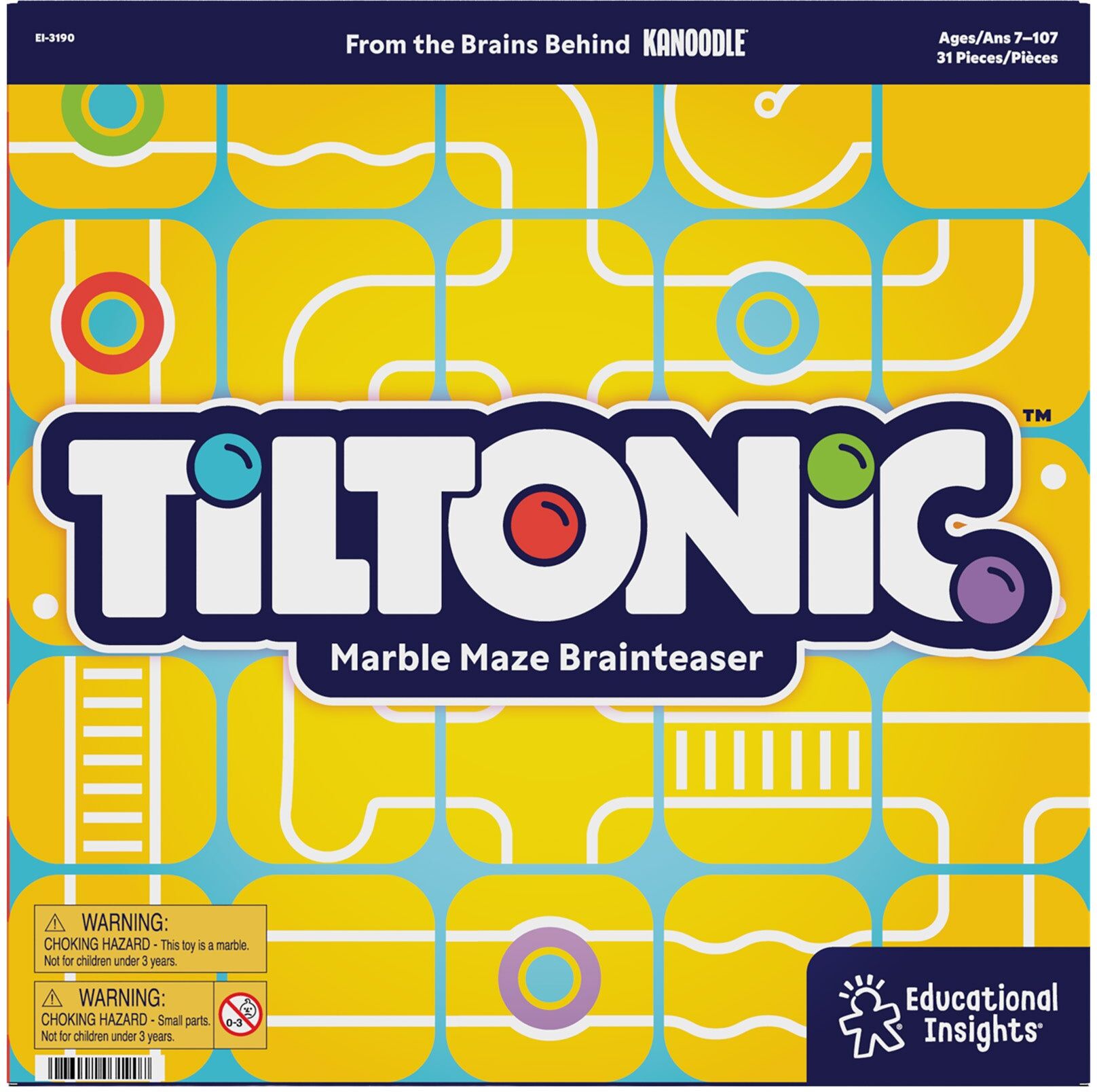
Educational Insights Tiltonic Marble Maze Brainteaser - 7+ - Adjustable Track PuzzleChallenge your problem-solving skills with the Educational Insights Tiltonic Marble Maze Brainteaser. This two-stage puzzle combines maze-building with hands-on marble play, creating a fun challenge for children aged 7 and up. Start by studying one of the included challenge puzzles and arranging the adjustable track pieces on the turquoise game board to create the correct route. Once the maze is ready, tilt the board carefully to guide the four colorful marbles through the track and into their matching destinations. Each challenge encourages players to think ahead, test ideas, and refine their solution. With 50 puzzle challenges, 25 adjustable track pieces, and four marbles, Tiltonic offers plenty of replay value. Children can also design their own marble mazes once they have mastered the included puzzles. The tactile format makes it an engaging alternative to screen-based entertainment while encouraging creativity, logic, critical thinking, and hand-eye coordination.13,59 £*Shipping: 3,95 £Secure redirect to the provider
-
EmperorS4 Hanamikoji Compact Strategy Card Game for Two Players - Strategy GameA compact strategy card game set in Kyoto's Hanamikoji Street. Players compete to earn geisha favor by managing hand and making timed decisions. Designed for two players, suitable for ages 10 and up.13,79 £*Shipping: 3,95 £Secure redirect to the provider
-
Uplift Essentials Triple Safety AirTag Integration Collar pinkKeep your pet protected with the ultimate hightech security accessory: the TripleSafety AirTag Integration Collar. This isn't just a stylish neckband; its a comprehensive tracking and identification system designed to give you total peace of mind....56,97 $*Shipping: 0,00 $Secure redirect to the provider



-
What is the hedonistic calculus 2?
The hedonistic calculus is a method used in utilitarianism to measure the amount of pleasure or pain generated by a particular action. It involves calculating the intensity, duration, certainty, propinquity, fecundity, purity, and extent of pleasure or pain that will result from the action. By considering these factors, one can determine whether an action will lead to the greatest overall happiness or utility. Hedonistic calculus 2 is an extension of this concept, which may involve additional considerations or refinements to the original calculation method. **
-
How does Bentham's hedonistic calculus work?
Bentham's hedonistic calculus is a method for measuring the amount of pleasure and pain produced by an action in order to determine its moral worth. It involves considering several factors, such as the intensity, duration, certainty, and propinquity of the pleasure or pain, as well as the extent to which it affects others. Each factor is assigned a numerical value, and the overall balance of pleasure versus pain is calculated to determine whether an action is morally right or wrong. This calculation is based on the principle of maximizing pleasure and minimizing pain, known as the principle of utility. **
-
What is the criticism of hedonistic calculus?
The criticism of hedonistic calculus is that it reduces the complexity of human experiences and values to a simple calculation of pleasure and pain. Critics argue that it fails to account for the nuances of different types of pleasure and pain, as well as the subjective nature of individual preferences and values. Additionally, it is criticized for being too focused on the short-term and individualistic aspects of pleasure, neglecting the long-term and communal aspects of well-being. Overall, the criticism is that hedonistic calculus oversimplifies the complexities of human happiness and well-being. **
-
What is an example of hedonistic calculus?
An example of hedonistic calculus is when a person is deciding whether to go out for a night of partying or stay in and study for an important exam. They would weigh the potential pleasure of going out and having fun against the potential pain of doing poorly on the exam. If they believe that the pleasure of going out outweighs the pain of doing poorly on the exam, they may choose to go out. This decision-making process involves calculating the potential pleasure and pain of each option in order to maximize overall happiness or pleasure. **


What are the disadvantages of the hedonistic calculus?
One disadvantage of the hedonistic calculus is that it can be challenging to accurately measure and compare the intensity and duration of different pleasures and pains. Additionally, individuals may have varying preferences and values, making it difficult to apply a universal standard for happiness. The calculus also does not account for the complexity of human emotions and motivations, which can impact the overall assessment of pleasure and pain. **
What is the difference between utilitarianism and hedonistic calculus?
Utilitarianism is a moral theory that focuses on maximizing overall happiness and well-being for the greatest number of people. It considers the consequences of actions and aims to achieve the greatest good for the greatest number. On the other hand, hedonistic calculus is a specific method within utilitarianism that quantifies pleasure and pain to determine the best course of action. It involves weighing the intensity, duration, certainty, and propinquity of pleasure or pain to make decisions that maximize overall happiness. In essence, hedonistic calculus is a tool used within the broader framework of utilitarianism to measure and compare the potential outcomes of different actions. **
Top-Angebote
Products related to Hedonistic:
-
Educational Insights Boxineers Cardboard Vehicles Craft Kit - 84 Pieces for Kids - Educational InsightsTransform an ordinary cardboard box into a unique vehicle with the Boxineers Cardboard Vehicles Craft Kit. This kit includes 84 pieces, allowing children to create monster trucks, airplanes, rocket ships, recycling trucks, and many other imaginative creations. The reusable construction set features a child-friendly screwdriver and hole punch, making it easy for kids to attach the supplied parts without cutting the cardboard. Add wheels, wings, steering wheels, control panels, windows, flames, and other colorful accessories to customize each vehicle. The kit contains 30 bolts, six brackets, 40 reusable vehicle accessories, and six sticker sheets. Boxineers combines hands-on making with open-ended pretend play, encouraging children to experiment with how parts connect and solve simple construction problems.17,39 £*Shipping: 3,95 £Secure redirect to the provider
-
William Collins Beautiful News: Positive Trends, Uplifting Stats, Creative Solutions by David McCandlessIn this fascinating follow-up to the bestselling Information is Beautiful and Knowledge is Beautiful, the king of infographics David McCandless uses spectacular visuals to give us all a bit of good news. We are living in the Information Age, in which we are constantly bombarded with data – on television, in print and online. How can we relate to this mind-numbing overload? Enter David McCandless and his amazing infographics: simple, elegant ways to understand information too complex or abstract to grasp any way but visually. In his unique signature style, he creates dazzling displays that blend facts with their connections, contexts and relationships, making information meaningful, entertaining – and beautiful. In his highly anticipated third book, McCandless illustrates positive news from around the world, for an informative, engaging and uplifting collection of new infographic art.5,99 £*Shipping: 2,99 £Secure redirect to the provider
-
DEVERA Hanger and Full-length Mirror IntegrationSpecification Main Material: Rubber Wood,Solid Wood,Wood+Glass Product Style: American Design,Art Deco,Artsy,Contemporary,European Product Features Product Information: Full-length mirror, solid wood + rubber wood + glass, 65.7*17.7in (mirror width:…302,39 $*Shipping: 0,00 $Secure redirect to the provider
-
Educational Insights Tiltonic Marble Maze Brainteaser - 7+ - Adjustable Track PuzzleChallenge your problem-solving skills with the Educational Insights Tiltonic Marble Maze Brainteaser. This two-stage puzzle combines maze-building with hands-on marble play, creating a fun challenge for children aged 7 and up. Start by studying one of the included challenge puzzles and arranging the adjustable track pieces on the turquoise game board to create the correct route. Once the maze is ready, tilt the board carefully to guide the four colorful marbles through the track and into their matching destinations. Each challenge encourages players to think ahead, test ideas, and refine their solution. With 50 puzzle challenges, 25 adjustable track pieces, and four marbles, Tiltonic offers plenty of replay value. Children can also design their own marble mazes once they have mastered the included puzzles. The tactile format makes it an engaging alternative to screen-based entertainment while encouraging creativity, logic, critical thinking, and hand-eye coordination.13,59 £*Shipping: 3,95 £Secure redirect to the provider
-
What is the hedonistic calculus?
The hedonistic calculus is a method used in utilitarianism to determine the most ethical course of action by calculating the amount of pleasure and pain that will result from a particular decision. It involves weighing the intensity, duration, certainty, propinquity, fecundity, purity, and extent of pleasure or pain that will be produced by an action. By using this calculus, one can determine which action will result in the greatest overall happiness or pleasure for the greatest number of people. **
-
Is our society too hedonistic?
It is subjective to determine if our society is too hedonistic as it depends on individual perspectives and values. Some may argue that our society places too much emphasis on pleasure-seeking and instant gratification, leading to a lack of focus on long-term goals and values. Others may believe that pursuing happiness and pleasure is a natural part of human existence and should be embraced. Ultimately, finding a balance between enjoying life's pleasures and fulfilling responsibilities is key to a healthy and fulfilling society. **
-
What is the hedonistic calculus 2?
The hedonistic calculus is a method used in utilitarianism to measure the amount of pleasure or pain generated by a particular action. It involves calculating the intensity, duration, certainty, propinquity, fecundity, purity, and extent of pleasure or pain that will result from the action. By considering these factors, one can determine whether an action will lead to the greatest overall happiness or utility. Hedonistic calculus 2 is an extension of this concept, which may involve additional considerations or refinements to the original calculation method. **
-
How does Bentham's hedonistic calculus work?
Bentham's hedonistic calculus is a method for measuring the amount of pleasure and pain produced by an action in order to determine its moral worth. It involves considering several factors, such as the intensity, duration, certainty, and propinquity of the pleasure or pain, as well as the extent to which it affects others. Each factor is assigned a numerical value, and the overall balance of pleasure versus pain is calculated to determine whether an action is morally right or wrong. This calculation is based on the principle of maximizing pleasure and minimizing pain, known as the principle of utility. **
Similar search terms for Hedonistic
-
EmperorS4 Hanamikoji Compact Strategy Card Game for Two Players - Strategy GameA compact strategy card game set in Kyoto's Hanamikoji Street. Players compete to earn geisha favor by managing hand and making timed decisions. Designed for two players, suitable for ages 10 and up.13,79 £*Shipping: 3,95 £Secure redirect to the provider
-
Uplift Essentials Triple Safety AirTag Integration Collar pinkKeep your pet protected with the ultimate hightech security accessory: the TripleSafety AirTag Integration Collar. This isn't just a stylish neckband; its a comprehensive tracking and identification system designed to give you total peace of mind....56,97 $*Shipping: 0,00 $Secure redirect to the provider
-
DEVERA Hanger and Full-length Mirror IntegrationSpecification Main Material: Rubber Wood,Solid Wood,Wood+Glass Product Style: American Design,Art Deco,Artsy,Contemporary,European Product Features Product Information: Full-length mirror, solid wood + rubber wood + glass, 65.7*17.7in (mirror width:…277,49 $*Shipping: 0,00 $Secure redirect to the provider
-
DEVERA Hanger and Full-length Mirror IntegrationSpecification Main Material: Rubber Wood,Solid Wood,Wood+Glass Product Style: American Design,Artsy,Beach,Contemporary,European Product Features Product Information: Full-length mirror, solid wood + rubber wood + glass, 68.8*19.6in (mirror width:...356,99 $*Shipping: 0,00 $Secure redirect to the provider
-
What is the criticism of hedonistic calculus?
The criticism of hedonistic calculus is that it reduces the complexity of human experiences and values to a simple calculation of pleasure and pain. Critics argue that it fails to account for the nuances of different types of pleasure and pain, as well as the subjective nature of individual preferences and values. Additionally, it is criticized for being too focused on the short-term and individualistic aspects of pleasure, neglecting the long-term and communal aspects of well-being. Overall, the criticism is that hedonistic calculus oversimplifies the complexities of human happiness and well-being. **
-
What is an example of hedonistic calculus?
An example of hedonistic calculus is when a person is deciding whether to go out for a night of partying or stay in and study for an important exam. They would weigh the potential pleasure of going out and having fun against the potential pain of doing poorly on the exam. If they believe that the pleasure of going out outweighs the pain of doing poorly on the exam, they may choose to go out. This decision-making process involves calculating the potential pleasure and pain of each option in order to maximize overall happiness or pleasure. **
-
What are the disadvantages of the hedonistic calculus?
One disadvantage of the hedonistic calculus is that it can be challenging to accurately measure and compare the intensity and duration of different pleasures and pains. Additionally, individuals may have varying preferences and values, making it difficult to apply a universal standard for happiness. The calculus also does not account for the complexity of human emotions and motivations, which can impact the overall assessment of pleasure and pain. **
-
What is the difference between utilitarianism and hedonistic calculus?
Utilitarianism is a moral theory that focuses on maximizing overall happiness and well-being for the greatest number of people. It considers the consequences of actions and aims to achieve the greatest good for the greatest number. On the other hand, hedonistic calculus is a specific method within utilitarianism that quantifies pleasure and pain to determine the best course of action. It involves weighing the intensity, duration, certainty, and propinquity of pleasure or pain to make decisions that maximize overall happiness. In essence, hedonistic calculus is a tool used within the broader framework of utilitarianism to measure and compare the potential outcomes of different actions. **
* All prices are inclusive of VAT and, if applicable, plus shipping costs. The offer information is based on the details provided by the respective shop and is updated through automated processes. Real-time updates do not occur, so deviations can occur in individual cases. ** Note: Parts of this content were created by AI.